
Where in Europe has housing become the most expensive? Czech Republic is in the top ten
The availability of housing is a concern for nearly all of Europe today. Although individual markets are developing differently, property prices are rising faster than household incomes. OECD data shows that since 2015, prices for apartments and houses have nearly doubled in some countries. And (un)surprisingly, the Czech Republic is among them.
Portugal tops the European rankings
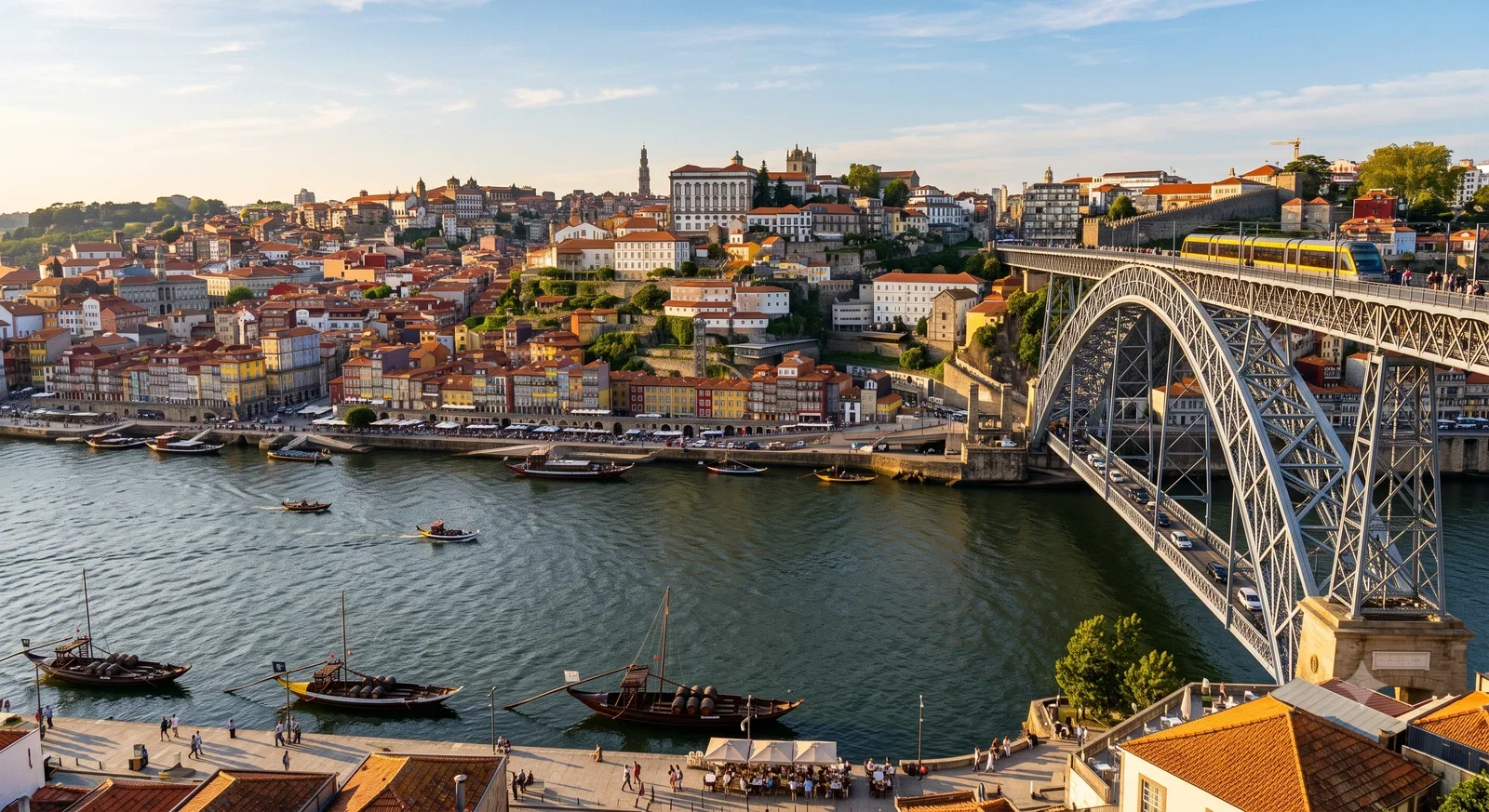
Portugal has recorded the most significant growth, with housing prices increasing by more than 106% over the last decade. The main drivers are long-term limited construction of new apartments and strong interest from both domestic and foreign investors, particularly in Lisbon, Porto, and popular coastal locations.
The second country where prices have practically doubled is Hungary. The growth is driven by a combination of higher wages, state support for home ownership, and a shortage of new apartments, especially in Budapest.
Price growth is not just a matter of Western Europe
Significant price increases have also been recorded in Iceland (+75%), Turkey (+68%), and Lithuania (+65%). Although the reasons vary in each country, the common denominator remains the limited supply of properties.
In Turkey, prices have been significantly influenced by high inflation, which leads people to often view properties as a way to protect the value of their savings. In Iceland and Lithuania, the main role is played by insufficient construction and rising demand in larger cities.
The Czech Republic is among the fastest rising markets
The Czech Republic ranks seventh. Since 2015, housing prices have increased by approximately 58%, similar to Slovenia.
The growth is primarily due to slow permitting of new construction, a shortage of building land, and high demand in large cities. The situation is most evident in Prague and Brno, where property prices are significantly above the national average.
The result is an increasingly poor availability of home ownership, which most affects young families and first-time buyers.
What do the most expensive markets have in common?
Although each country is dealing with different economic conditions, the causes of price growth are recurring. Most often, it involves insufficient construction of new apartments, lengthy permitting processes, rising construction costs, and strong demand concentrated in large cities.
That is why experts warn that without a significant increase in supply, no substantial improvement in housing availability can be expected. This applies not only to the Czech Republic but also to most European countries that have been facing the same problem in recent years.