
The Evolution of the Apartment Market in the United Arab Emirates (UAE) Over the Last 10 Years
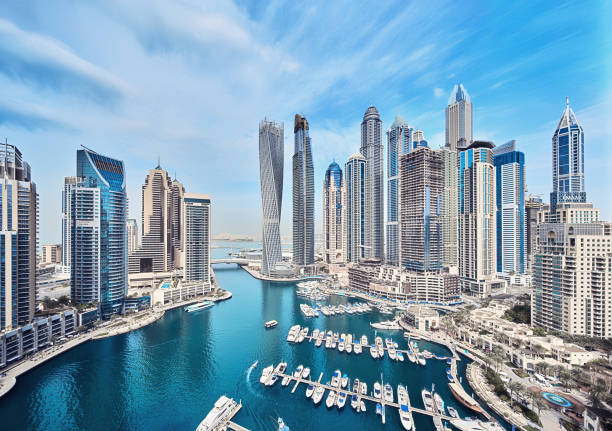
1. Boom and Recovery Post-Global Financial Crisis
Following the global financial crisis of 2008-2009, the UAE, particularly Dubai and Abu Dhabi, experienced a downturn in the real estate market. However, recovery efforts and strategic initiatives by the government fueled a rapid rebound. By the early 2010s, the market began showing signs of stabilization and growth.
2. Market Dynamics and Trends
- Price Fluctuations: The UAE's apartment market witnessed notable price fluctuations over the decade. Prices peaked in 2014-2015, driven by high demand from investors and expatriates. However, subsequent market corrections in 2016-2017 led to more sustainable pricing models.
- Shift Towards Affordability: In response to market corrections and global economic factors, developers and policymakers shifted focus towards more affordable housing options. This trend aimed to cater to a broader segment of the population, including middle-income earners and young professionals.
- Rise of Sustainable Development: Sustainability became a key focus in the UAE's real estate sector. Green building initiatives, energy-efficient designs, and LEED certifications gained prominence, reflecting global environmental trends and local government initiatives.
3. Government Policies and Initiatives
- Regulatory Reforms: The UAE government introduced several regulatory reforms to enhance transparency and investor confidence. Initiatives included the introduction of escrow accounts, stricter regulations on off-plan sales, and improved consumer protection laws.
- Vision 2021 and Beyond: The UAE's Vision 2021 agenda aimed to diversify the economy and reduce reliance on oil revenues. Real estate played a crucial role in this vision, with initiatives focusing on sustainable urban development, smart cities, and enhancing quality of life.
4. Impact of Expo 2020 Dubai
The Expo 2020 Dubai, postponed to 2021 due to the COVID-19 pandemic, served as a catalyst for the UAE's economy and real estate sector. The event attracted global attention and spurred infrastructure development, including residential projects around the Expo site and across Dubai.
5. Challenges and Future Outlook
- Market Resilience: Despite economic challenges, the UAE's apartment market demonstrated resilience. Factors such as geopolitical stability, proactive government policies, and a diverse economy continued to support the sector.
- Focus on Innovation: Innovations in technology, such as virtual reality property tours, blockchain in real estate transactions, and smart home technologies, shaped consumer preferences and developer strategies.
- COVID-19 Impact: The COVID-19 pandemic posed temporary challenges with reduced demand and disrupted supply chains. However, the UAE's effective response and vaccination rollout mitigated long-term impacts on the real estate sector.
Conclusion
Over the last decade, the UAE's apartment market has evolved significantly, driven by economic diversification, regulatory reforms, and strategic investments. Looking ahead, sustainable development practices, affordability, and technological innovations are expected to define the next phase of growth in the UAE's dynamic real estate landscape. As the country continues to position itself as a global hub, the resilience and adaptability of its apartment market remain pivotal in navigating future challenges and opportunities.