
Swiss Apartments in 2026: Prices are Rising Again. Is it Still Worth Investing in Housing in the Land of the Alps?

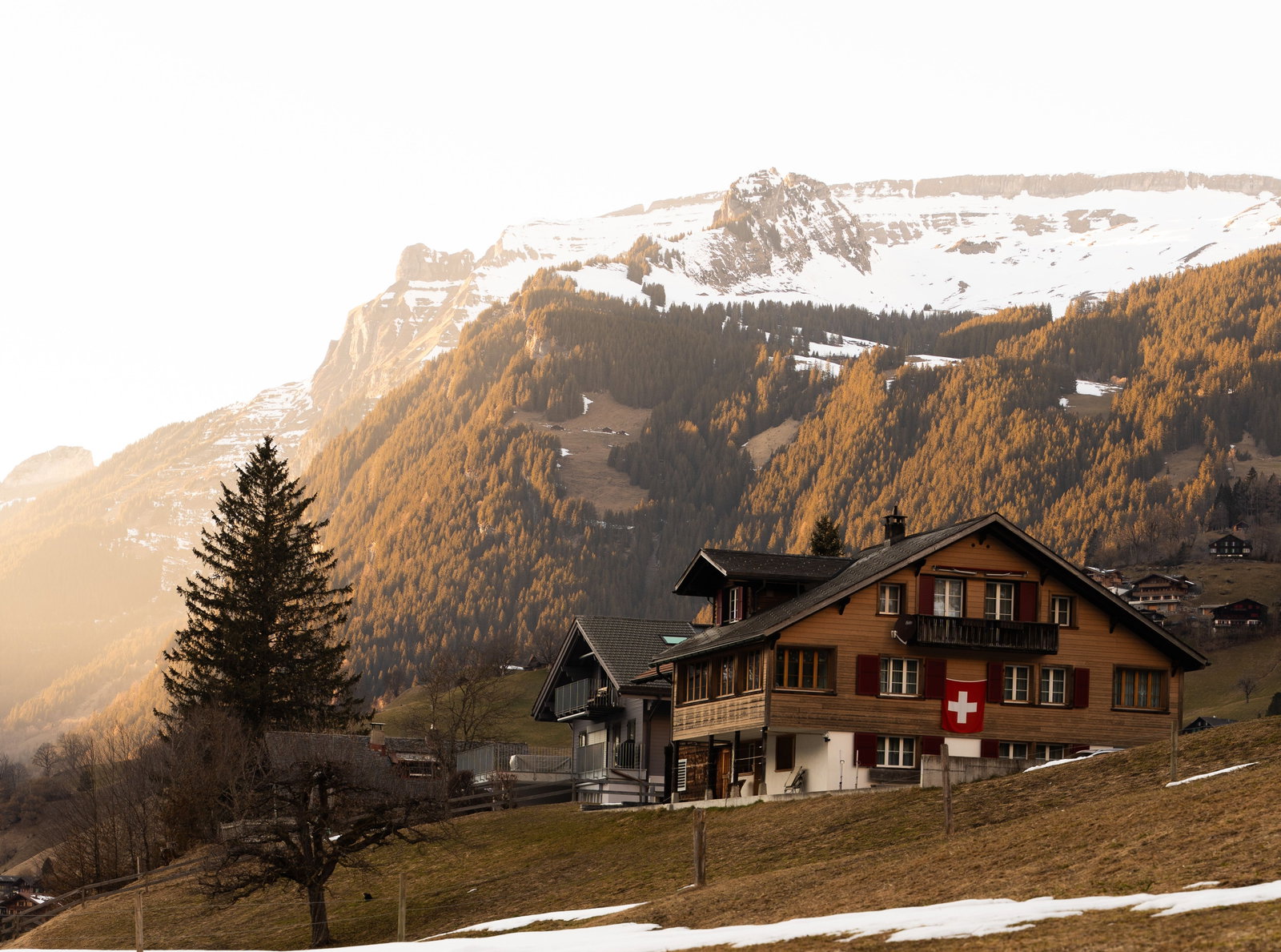
The Swiss real estate market shows no signs of slowing down. Despite the economy slowing and fewer foreign residents arriving, the demand for housing remains high. Prices of apartments and houses continue to rise and some properties are becoming symbols of security in uncertain times.
Switzerland has long been one of the most stable real estate markets in Europe. The shortage of available apartments, strong demand, and limited supply keep prices high even in 2026. The first half of the year showed that Swiss properties still attract buyers looking for a safe place to invest their money and quality housing.
Fewer immigrants, but apartments are still scarce
At first glance, it might seem that a weaker economy and lower migration would cool the real estate market. In the first months of 2026, indeed, fewer foreign residents came to Switzerland than in the previous period.
However, the demand for housing remains strong. The reason is simple. The supply of new apartments is not enough to meet market needs. Construction has slowed in recent years, and there is still a lack of available properties in attractive locations.
The greatest pressure is traditionally in large cities and their surroundings. Areas with good transport accessibility, quality infrastructure, and a high standard of living maintain their attractiveness even in times of economic uncertainty.
Apartments are increasing in price faster than rents
One of the most interesting trends of 2026 is the difference between property prices and rental rates. Purchase prices for apartments are rising faster than rents.
According to current data, the prices of apartments and family houses increased by approximately 4% year-on-year in the first half of the year, while the requested rent grew at a slower pace of around 2.5%.
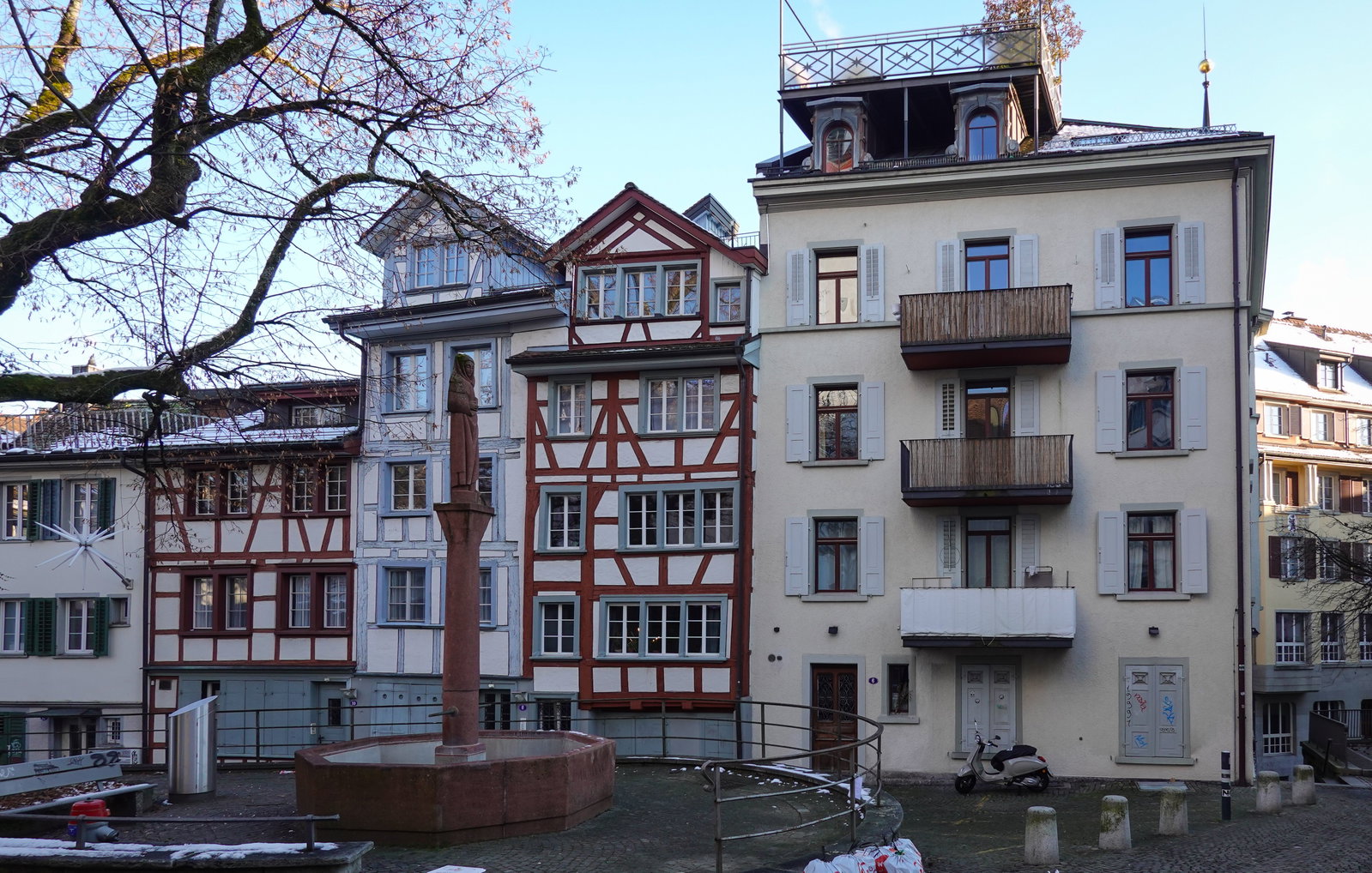
This means that purchasing property is still attractive for investors, especially from the perspective of long-term value retention. However, short-term rental yields may not be as significant as in the past.
An interesting exception is large cities. For example, in some areas, such as Lucerne, rents have increased significantly faster than the national average.
Luxury properties? In Switzerland, they serve as a safe haven
Switzerland has one major advantage, which is its reputation as a stable country. This significantly reflects on the market for premium properties.
Luxury apartments and houses remain a symbol of safety for the wealthiest investors. Political stability, a strong Swiss franc, quality infrastructure, and a limited number of premium locations make them properties that retain their value over the long term.
It's not just about luxury villas by the lakes or mountain residences. High-quality apartments in prestigious urban districts, where the supply has long been limited, are also in high demand.
What to expect next? Growth continues, but at a slower pace
The outlook for the next period remains positive, although the market is unlikely to grow at the same pace as in previous years.
It is expected that property prices and rents will continue to gradually rise, but more significant increases may be hindered by high acquisition costs and poorer accessibility for average buyers.
Thus, Switzerland remains a market where quick profits are not the focus. Its main strength lies elsewhere. In long-term stability, limited supply, and the ability to preserve value. And that is why even in 2026, it holds true: those looking for a safe place for their money still look towards Swiss properties.
Such an apartment in the Alps would not be a bad idea at all.