
Living in Germany Q2/2026: Rents are accelerating, property prices are just treading water

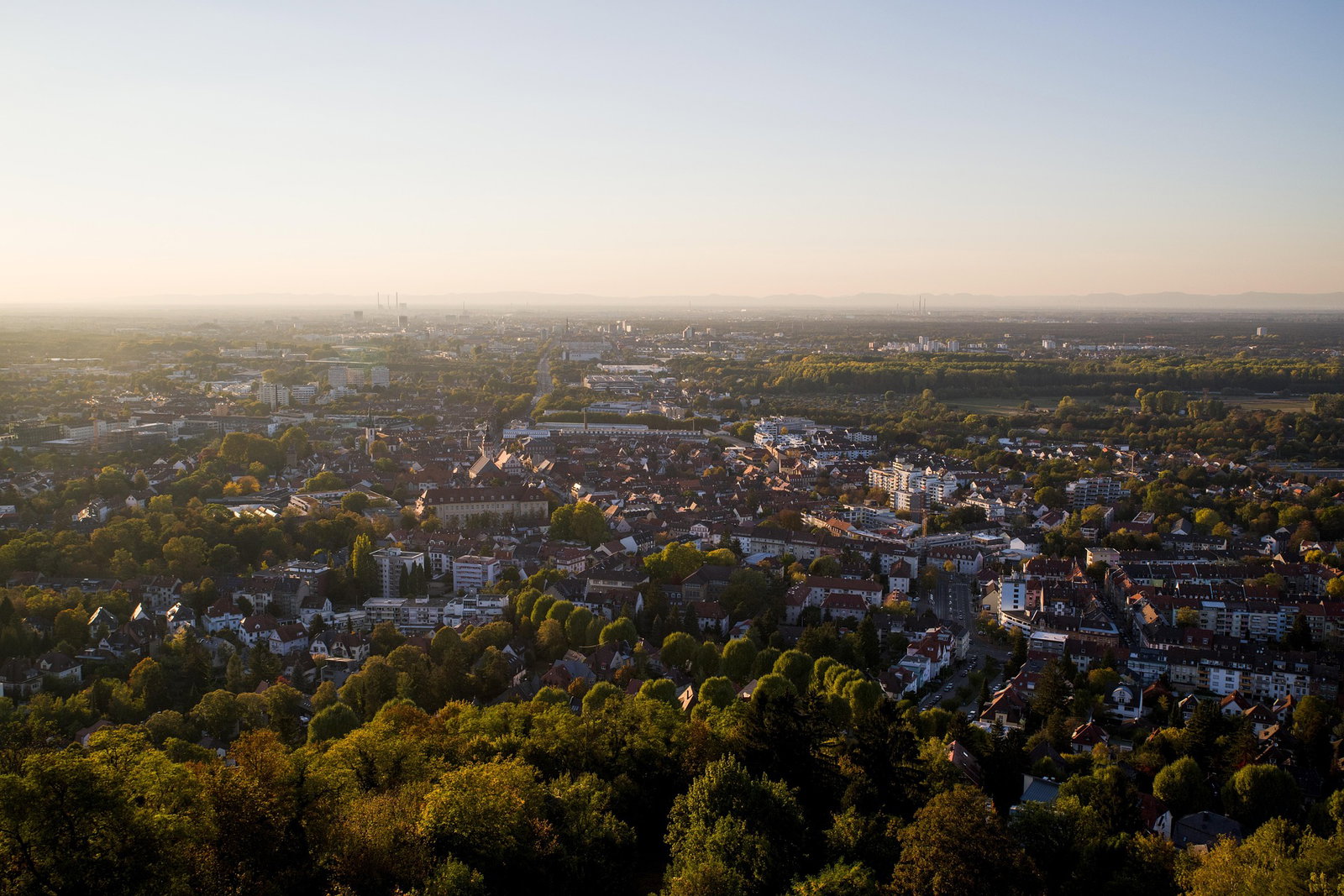
The housing index in Germany for the second quarter of 2026 sends a clear signal: rents are rising faster than purchase prices. The Cologne Institute for Economic Research (IW) reports a year-on-year rent increase of four percent, while property prices have only added 0.8%. The market is thus further diverging – the dynamics of rents are strengthening, while purchase prices are stabilizing.
The rise in rental prices is uneven in the German market
However, the increase in rents is uneven. The seven largest cities report a rise of 2.9%, while their surroundings see an increase of 3.7%. The most significant jumps come from other large cities, where rents have jumped by 4.9% year-on-year. Cologne even reports a nalmost 8% increase. Conversely, Düsseldorf is the only major city to have seen a slight decline. This regional dispersion confirms that the rental housing market is further splitting according to local conditions.
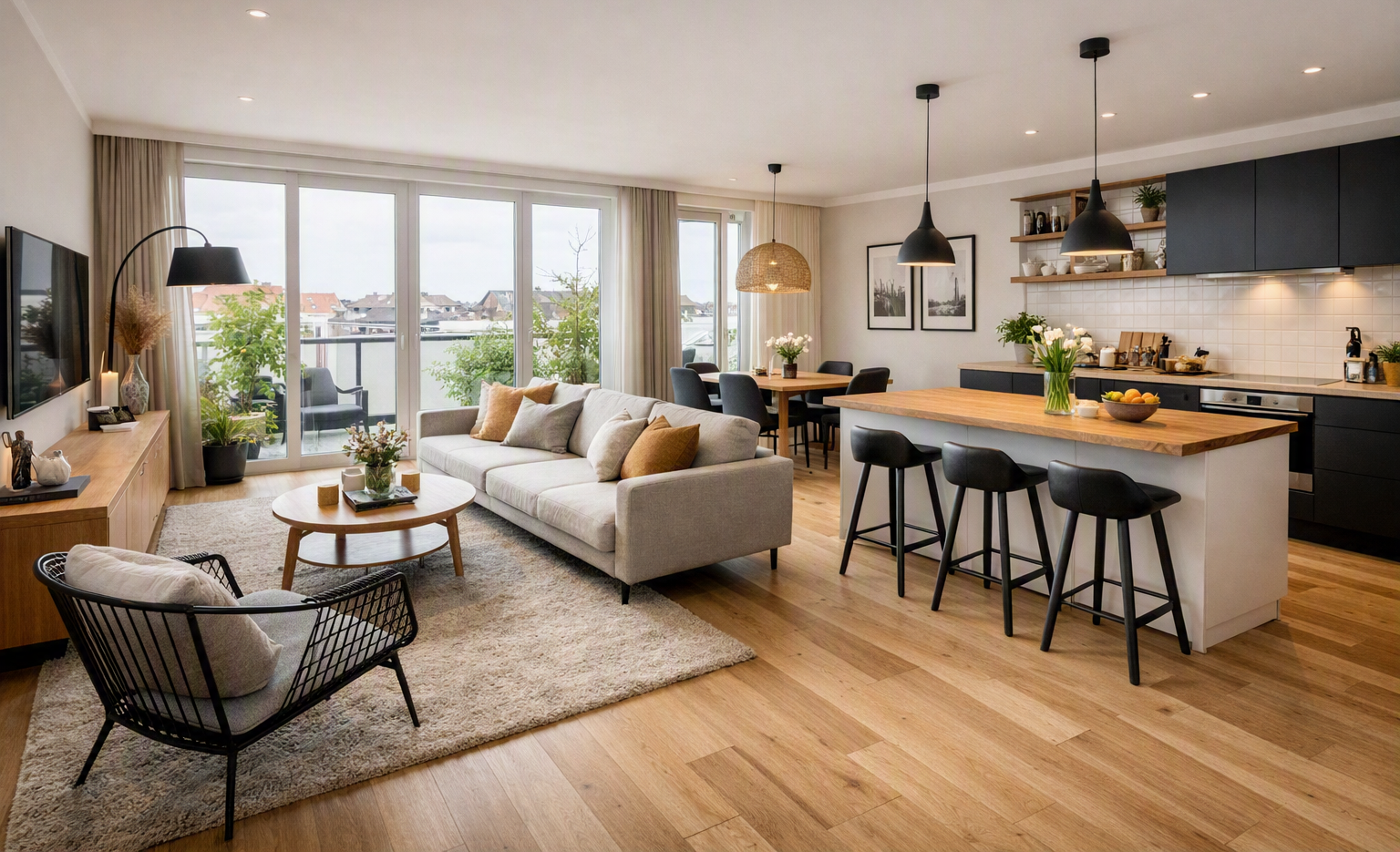
Meanwhile, purchase prices are holding steady. Apartments have only increased by 0.2%, houses by one percent. In some metropolises, prices are even declining, for example in Berlin or Frankfurt. The dynamics are driven more by regions outside the main centers, where growth remains above one percent. IW points out that despite the slight increase, the market remains below the price peak of 2022. However, buyers continue to face challenging financing, which hinders demand.
The supply of apartments in Germany
An interesting perspective is also on the number of listings. Sales advertisements have doubled in the largest cities since 2022, with listings for apartments even increasing by more than 160%. However, this is not a boom in new properties, but rather a longer sales period caused by high prices and expensive loans. The opposite trend is seen in rentals: supply is decreasing, in Hamburg even by 57%. IW explains this by low mobility and insufficient new construction.
For those interested in housing, it is therefore crucial to monitor local supa-data. Or are you more attracted by the opportunity to invest? Check out the situation with investment apartments in German cities.