
Beloved Costa Rica and the real estate market. Is it worth investing there?

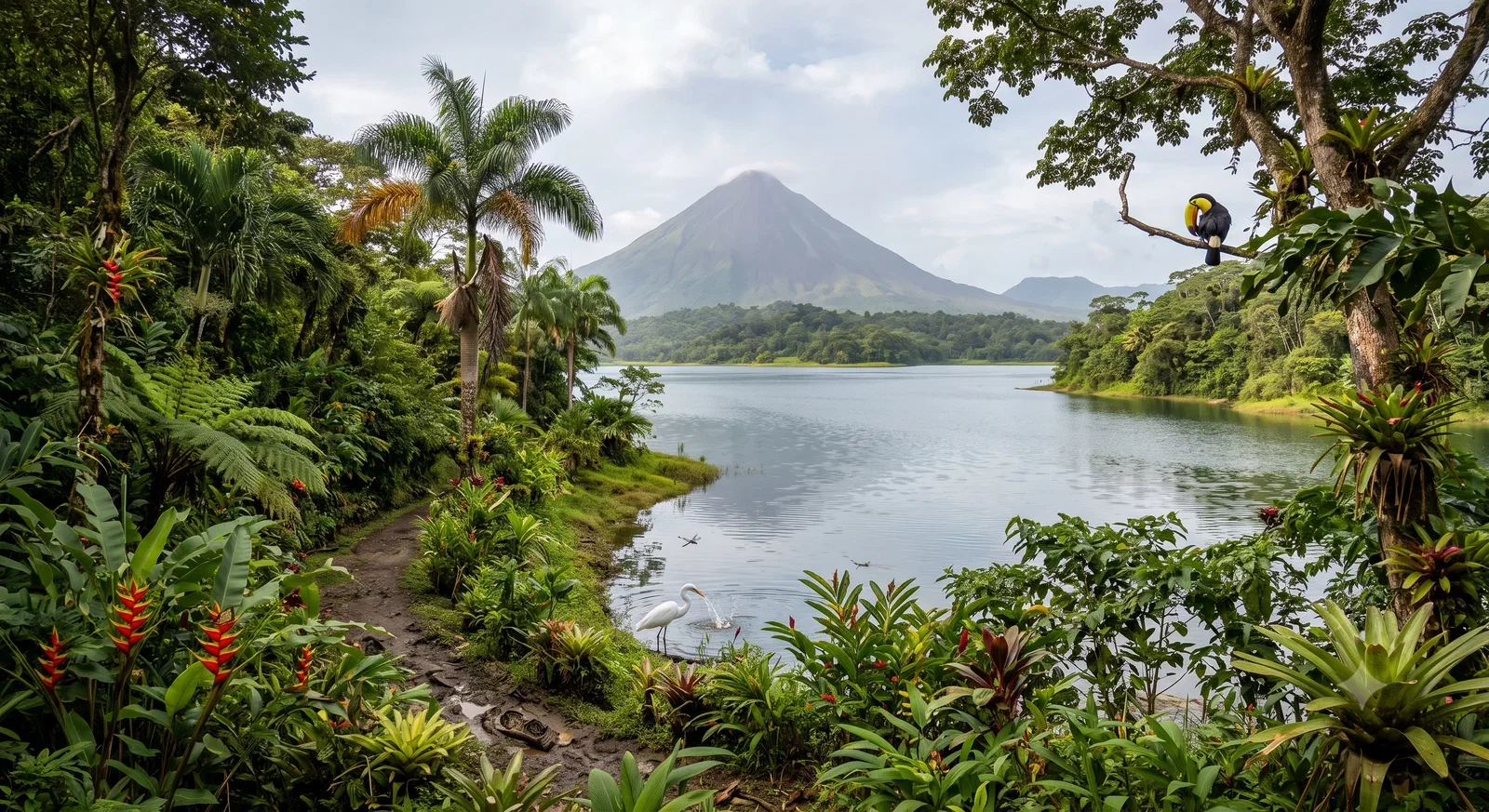
Costa Rica is among the countries that attract attention not only for its tropical nature and high quality of life but also for its stable real estate market. Foreign buyers are drawn here for vacation homes, investment apartments, and properties for long-term living. However, it is important to know the local rules and the specifics of individual regions before making a purchase.
Foreigners can typically own property in Costa Rica
One of the biggest advantages of Costa Rica is its welcoming approach to foreign investors. In most cases, foreigners have the same ownership rights as local residents, and permanent residency or special visas are not required for purchases. Exceptions apply to certain lands in coastal areas, where special ownership and usage regulations are in place.
Nevertheless, it is essential to conduct a thorough legal check of the property. This includes verifying ownership rights, any liens or encumbrances, and checking the zoning plan. Therefore, collaborating with an experienced lawyer is practically a necessity when buying.
Where is the highest interest in properties
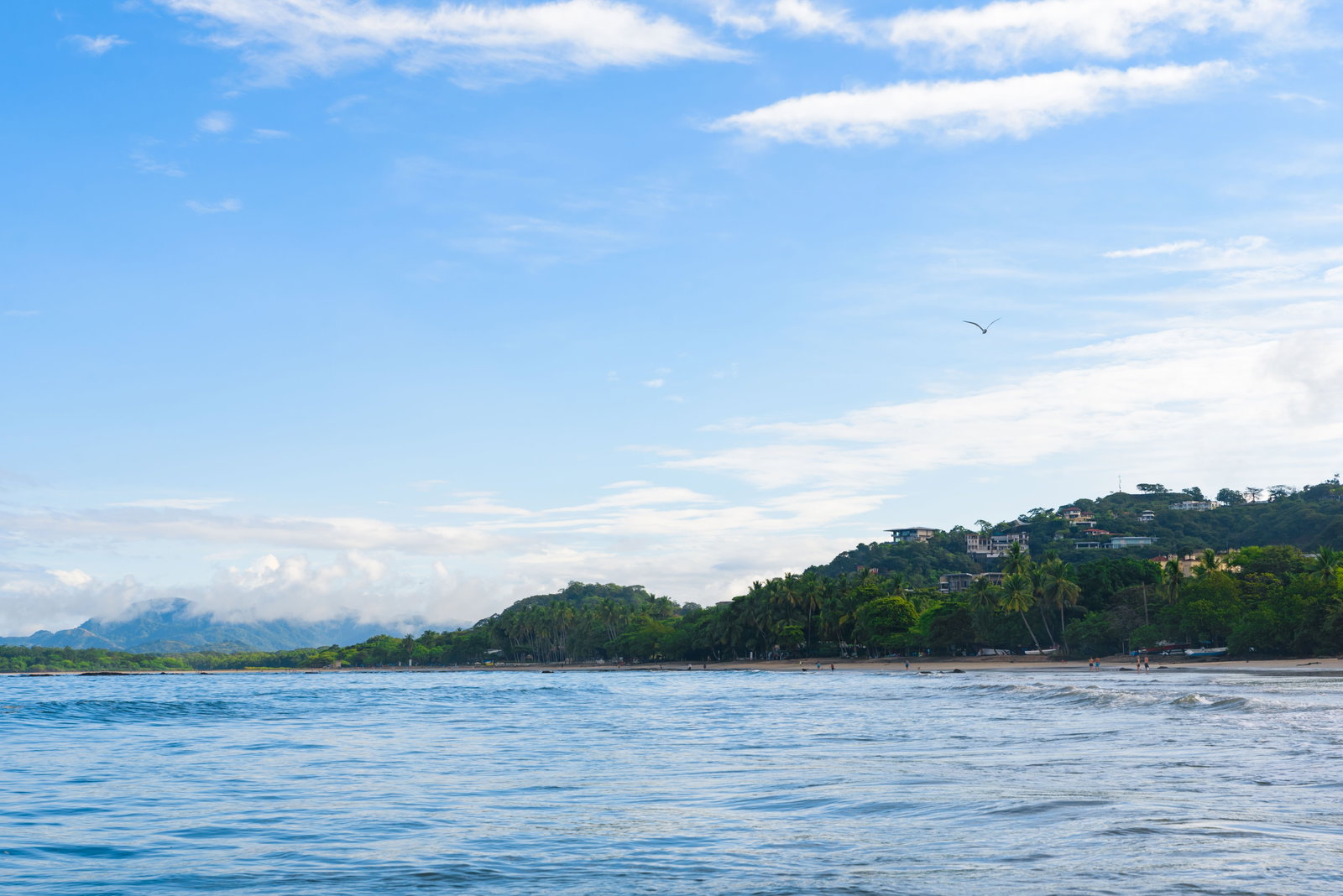
The highest demand consistently targets areas such as Guanacaste, the Nicoya Peninsula, or the vicinity of the capital, San José. Coastal locations primarily attract investors focused on short-term rentals, while the inland appeals to those seeking a quieter life and more stable long-term housing.
Infrastructure development, including the modernization of airports and road networks, increases the attractiveness of certain regions and supports property value growth. However, it is advisable to compare individual locations based on investment goals, not just current popularity.
Additional fees when purchasing Costa Rican properties
The purchase price is not the only item to consider. Transaction fees for the transfer of ownership, notary services, registration, and legal representation are added to the cost. Total acquisition costs typically range around 3 to 4% of the property's value.
Financing through local banks is possible for foreign buyers, but the options are limited, and banks often require a higher equity contribution. Many investors therefore use financing from their home country or purchase property with their own funds.
Do not underestimate the verification of property in Costa Rica
An attractive price does not always mean a good purchase. It is advisable to check the availability of utilities, the condition of access roads, any construction restrictions, and risks associated with the rainy season. For vacation properties, it is also wise to account for management costs if you will not be residing in the country year-round.
Costa Rica offers interesting opportunities for both personal living and investment. A successful purchase, however, relies primarily on quality preparation, thorough legal verification, and selecting a location that aligns with your long-term plans.